
Are Drinking Water Treatment Chemicals Safe? Myths vs Facts

Clean and safe water is one of the most important public health achievements in the United States. Every day, millions of gallons pass through advanced municipal systems that rely on carefully regulated drinking water treatment chemicals to ensure safety and compliance with EPA water quality standards.
Despite their widespread use, many people still question whether these substances are truly safe. Are they harmful? Are they overused? Or are they essential for modern water purification systems?
This guide breaks down the science, myths, and facts behind water treatment chemistry in a simple, trustworthy way.
What Are Drinking Water Treatment Chemicals and Why Are They Used?
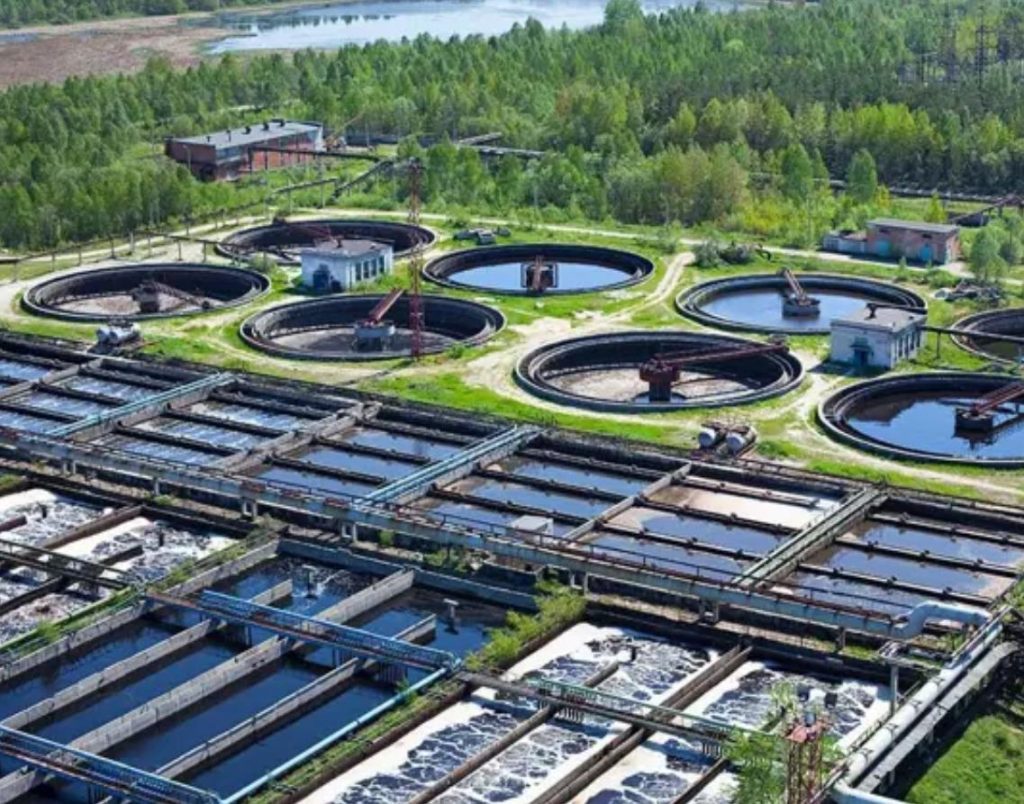
Drinking water treatment chemical products are substances used in municipal and industrial water purification systems to remove impurities, kill harmful microorganisms, and stabilize water quality.
In the USA, water treatment plants use a combination of coagulation and flocculation chemicals, chlorine disinfection, and filtration aids to treat raw water from rivers, lakes, and groundwater sources.
Common water treatment plant chemicals list includes:
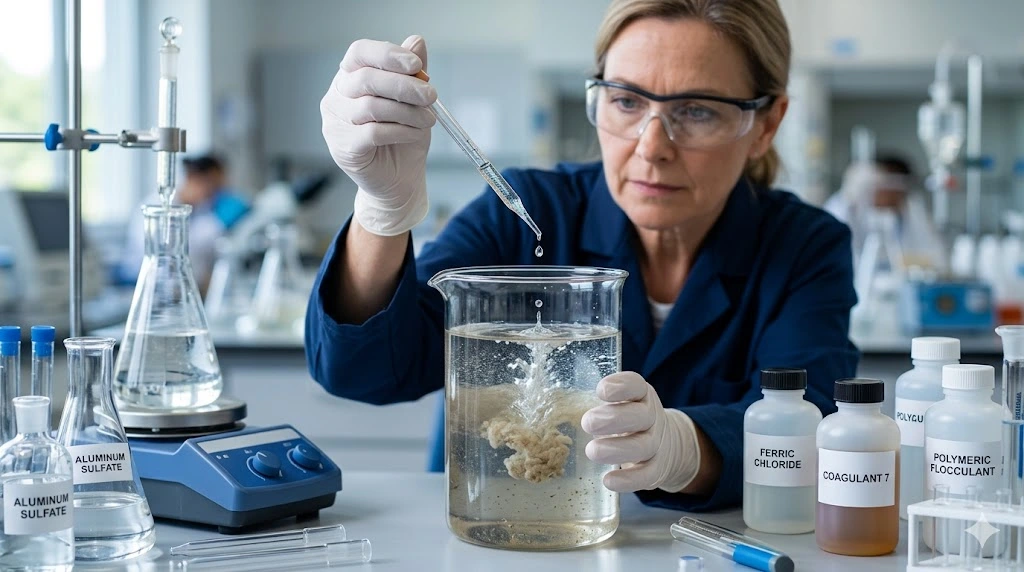
- Aluminum sulfate in water treatment (coagulation)
- Polyaluminium chloride water treatment (clarification)
- Sodium hypochlorite drinking water use (disinfection)
- Activated carbon water filtration chemicals (odor and taste removal)
- Ferric chloride water treatment (particle removal)
These substances are part of a structured municipal water purification process that ensures safe drinking water guidelines are consistently met.
Are Drinking Water Treatment Chemicals Safe for Human Health?
This is one of the most common concerns.
The short answer: Yes, when properly regulated, they are safe.
In the United States, EPA water quality testing kits standards strictly control the safe limits of chemicals in drinking water. This ensures that chlorine disinfection in drinking water, chlorine dioxide water disinfection, and ozone water treatment safety methods remain within scientifically approved levels.
While some people worry about chlorine in drinking water safety or fluoride in drinking water benefits and risks, decades of research confirm that controlled use of these substances prevents waterborne diseases and protects public health.
Without these controls, water contamination risks would increase significantly.
How Do Drinking Water Treatment Chemicals Work in Municipal Systems?
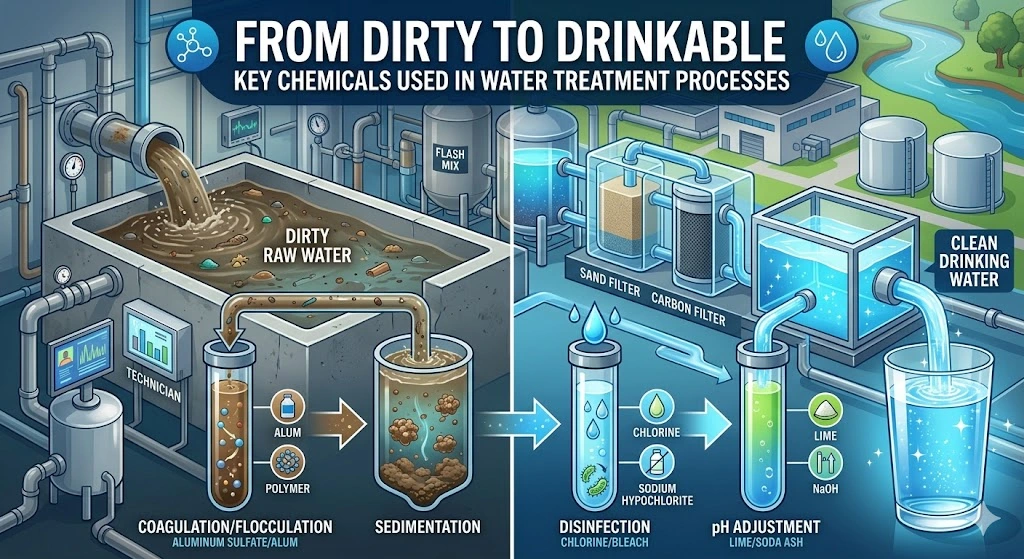
In a typical US water treatment plant working process, water passes through several stages:
- Coagulation and flocculation chemicals bind suspended particles
- Sedimentation removes heavier impurities
- Filtration removes fine contaminants
- Disinfection using chlorine dioxide or sodium hypochlorite ensures microbial safety
These steps are part of standard stages of the water treatment process used across cities like New York, Los Angeles, and Chicago.
Surface water treatment chemicals and groundwater treatment chemicals are selected based on water source quality and contamination levels.
This entire system ensures compliance with public water supply safety requirements.
Which Drinking Water Treatment Chemicals Are Most Common in the USA?
Across municipal systems, several key compounds are widely used:
- Chlorine disinfection in drinking water systems
- Sodium hypochlorite drinking water use for microbial control
- Lime in water treatment process for pH adjustment
- Activated carbon water filtration chemicals for taste improvement
- Ozone water treatment safety systems for advanced oxidation
- Polyaluminium chloride water treatment for turbidity removal
- Ferric chloride water treatment for coagulation
- Coagulation and flocculation chemicals for particle removal
These drinking water treatment chemicals are selected carefully based on EPA water quality testing requirements and system design.
What Are the Myths About Drinking Water Treatment Chemicals?
There are several misconceptions about water purification misconceptions and drinking water quality myths.
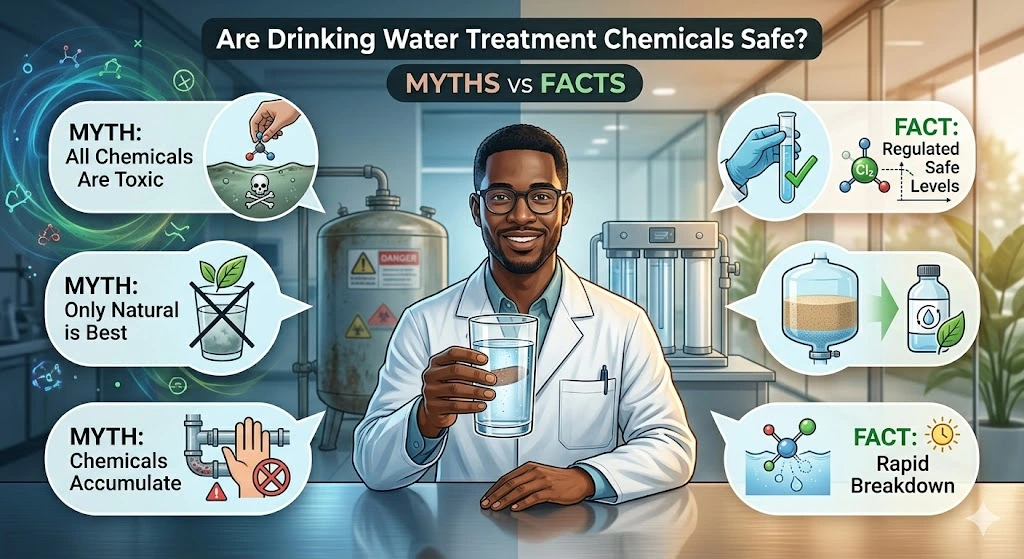
Myth 1: All chemicals in drinking water are dangerous
Fact: In reality, drinking water treatment chemicals are tightly regulated and used in extremely low, safe concentrations.
Myth 2: Tap water is unsafe in the USA
Fact: Municipal systems follow strict safe drinking water guidelines and undergo continuous testing.
Myth 3: Chemicals remove all nutrients
Fact: Properly managed systems preserve essential minerals while removing harmful contaminants.
Myth 4: Natural water is always safer
Fact: Untreated water can contain bacteria, viruses, and heavy metals that pose serious risks.
How Are Drinking Water Treatment Chemicals Regulated?
In the United States, regulation is handled primarily by the Environmental Protection Agency (EPA). These agencies enforce strict water treatment regulations safety standards.
Every utility must perform regular water quality testing after treatment and ensure compliance with maximum contaminant levels.
This regulatory framework ensures:
- Safe drinking water guidelines are met
- Municipal water purification process is standardized
- Drinking water treatment chemicals remain within safe exposure limits
This is why US tap water is considered among the safest globally.
What Is the Role of WINGKEJI in Water Treatment Systems?
WINGKEJI is involved in supporting modern water treatment infrastructure by providing high-performance chemical solutions used in municipal and industrial applications.
Their focus includes improving efficiency in:
- Activated carbon water filtration chemicals
- Coagulation and flocculation chemicals
- Polyaluminium chloride water treatment systems
- Industrial water treatment chemicals applications
By supporting advanced formulation and supply systems, WINGKEJI helps ensure drinking water treatment chemicals perform effectively in large-scale purification systems across the USA.
Why Are Drinking Water Treatment Chemicals Important for Public Health?
The importance of drinking water treatment chemicals lies in disease prevention and water quality assurance.
Without them:
- Waterborne diseases would spread rapidly
- Public water systems would fail EPA water quality testing
- Safe drinking water guidelines could not be maintained
From chlorine disinfection in drinking water to ozone water treatment safety systems, these chemicals protect millions of people every day.
They are a cornerstone of modern public health infrastructure.
Conclusion
The debate around drinking water treatment chemicals often comes from misunderstanding rather than science. In reality, these substances are essential for maintaining safe drinking water in the United States.
When properly managed under EPA water quality testing standards, they pose no health risk and play a critical role in eliminating contamination.
Companies like WINGKEJI continue to support innovation in this field, ensuring that drinking water treatment chemicals are used efficiently, safely, and responsibly across municipal systems.
FAQs
- Are drinking water treatment chemicals safe to consume?
Yes, they are safe when used within EPA-regulated safe limits of chemicals in drinking water.
- Why are chemicals added to drinking water?
They are used for disinfection, coagulation, and removal of impurities during water treatment process steps.
- What are the most common chemicals used in water treatment plants?
Chlorine, aluminum sulfate, activated carbon, and sodium hypochlorite are widely used drinking water treatment chemicals.
- Do drinking water treatment chemicals affect health?
At regulated levels, they do not harm health and are essential for preventing contamination.
- What does WINGKEJI do in the water treatment industry?
WINGKEJI supports municipal and industrial systems by supplying and improving solutions used in drinking water treatment chemicals applications.