

Disinfectant for Water Treatment Trends Reshaping Water Purification in 2026

Water safety remains one of the most important global public health priorities. Across the United States and worldwide, industries, municipalities, commercial facilities, and residential communities increasingly depend on advanced disinfectant for water treatment technologies to maintain safe, reliable, and sustainable water systems.
Modern water treatment systems no longer focus only on filtration. Today’s purification infrastructure combines:
- Chemical treatment
- Smart monitoring
- Disinfection technology
- Automated purification systems
- Industrial sanitation methods
- Sustainable water management
One of the most important components of modern purification systems is water disinfection technology. Effective water disinfection helps eliminate harmful microorganisms, improve sanitation quality, protect infrastructure, and support safe drinking water systems for residential, commercial, industrial, and municipal applications.
As water demand continues to increase and environmental concerns grow, industries are rapidly adopting more advanced sanitation technologies capable of improving purification efficiency while reducing operational risks and contamination concerns.
WingKeji continues supporting modern water purification systems with advanced sanitation technologies, purification chemicals, water testing solutions, and industrial treatment innovations designed for evolving water safety requirements.
Why Is Disinfectant for Water Treatment Becoming More Important?
Disinfectant for water treatment has become increasingly important because modern water systems require higher sanitation standards, stronger contamination control, and more efficient purification methods.
Today’s disinfectant for water treatment systems help improve:
- Drinking water safety
- Industrial sanitation
- Wastewater purification
- Public health protection
- Infrastructure reliability
Modern disinfectant for water treatment technologies are now essential for:
- Municipal water systems
- Industrial facilities
- Emergency purification
- Commercial sanitation
- Residential water safety
What is Water Disinfection?
Water disinfection is the process of removing or neutralizing harmful microorganisms from water supplies.
Modern purification systems commonly target:
- Bacteria
- Viruses
- Pathogens
- Biological contaminants
Many industries now rely heavily on:
- water treatment disinfectant
- water disinfection chemicals
- water sanitation chemicals
to maintain safe operational standards.
Why Is Drinking Water Safety a Growing Concern?
Growing urban populations, industrial expansion, and environmental pollution continue increasing pressure on water systems.
Many communities now prioritize:
- Cleaner drinking water
- Safer infrastructure
- Emergency purification readiness
- Contamination prevention
This has increased demand for:
- drinking water disinfectant
- safe chemicals for water purification
- Advanced purification systems
across both public and private sectors.
How Do Modern Water Disinfection Systems Work?
Modern water treatment systems typically combine:
- Filtration
- Chemical disinfection
- Monitoring technology
- Automated treatment systems
Disinfection processes help:
- Eliminate microorganisms
- Improve water quality
- Reduce contamination risks
Modern disinfectant for water treatment systems often work alongside advanced filtration technologies for complete purification performance.
Why Are Industrial Water Treatment Systems Expanding?
Industrial facilities require large-scale purification systems to maintain:
- Operational safety
- Equipment protection
- Environmental compliance
- Product quality
Many industries now use:
- industrial water treatment chemicals
- Automated sanitation systems
- Industrial purification technologies
to support manufacturing and infrastructure operations.
Industrial water purification demand continues increasing rapidly in 2026.
What Industries Depend on Water Disinfection?
Many industries rely heavily on advanced sanitation systems.
These include:
- Manufacturing
- Food processing
- Pharmaceuticals
- Construction
- Agriculture
- Hospitality
- Energy production
Modern purification systems support:
- Equipment protection
- Safe operations
- Product consistency
- Regulatory compliance
A reliable disinfectant for water treatment systems helps improve long-term operational stability.
Why Is Wastewater Treatment Important?
Wastewater treatment helps reduce:
- Environmental contamination
- Public health risks
- Industrial discharge pollution
Modern systems often use:
- wastewater disinfection solution
- Biological treatment
- Chemical purification
Many municipalities now invest heavily in:
- Advanced sanitation systems
- Smart wastewater infrastructure
- Sustainable purification technologies
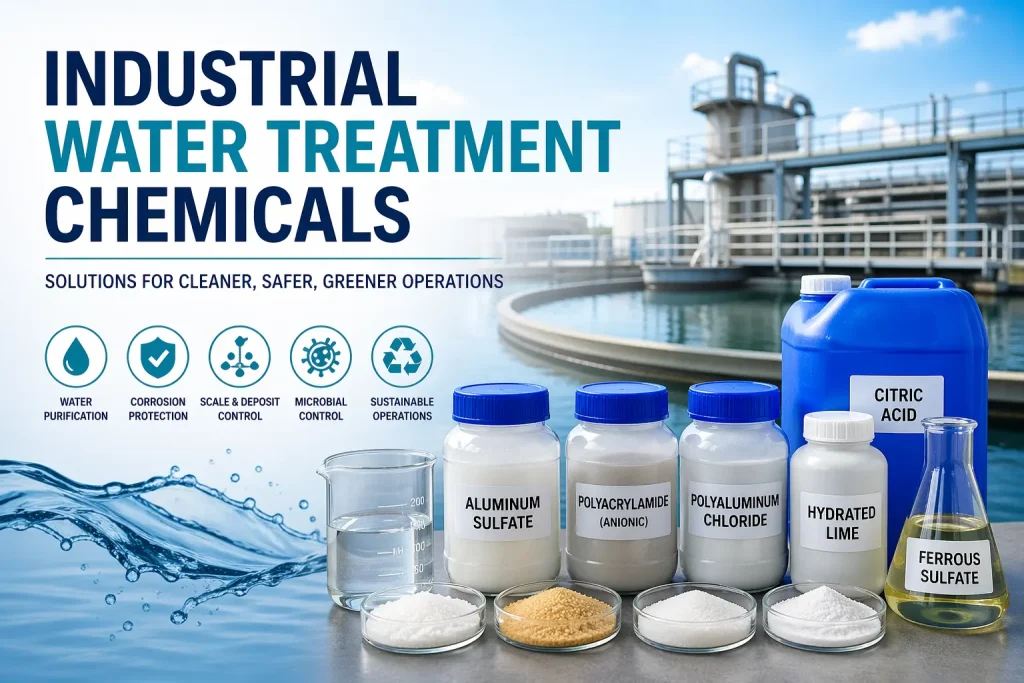
What Chemicals Are Commonly Used in Water Treatment?
Modern purification systems often use:
- Chlorine-based disinfectants
- Oxidation systems
- Sanitizing compounds
- Water purification chemicals
These compounds help improve:
- Pathogen control
- Water clarity
- Sanitation efficiency
Many industrial systems depend on:
- water purification chemicals
- water sanitation chemicals
- water sterilization treatment
for large-scale purification performance.
Why Are Smart Water Systems Growing?
Modern water infrastructure increasingly integrates:
- AI monitoring
- Digital sensors
- Automated chemical dosing
- Real-time water analysis
These systems improve:
- Treatment efficiency
- Chemical optimization
- Operational safety
- Contamination detection
Smart purification technology is transforming how disinfectant for water treatment systems operate in commercial and industrial environments.
How Does Water Disinfection Support Public Health?
Safe water systems help reduce:
- Waterborne illness
- Biological contamination
- Public health emergencies
Reliable purification infrastructure supports:
- Hospitals
- Schools
- Residential communities
- Commercial facilities
Modern sanitation systems remain critical for long-term public health protection.
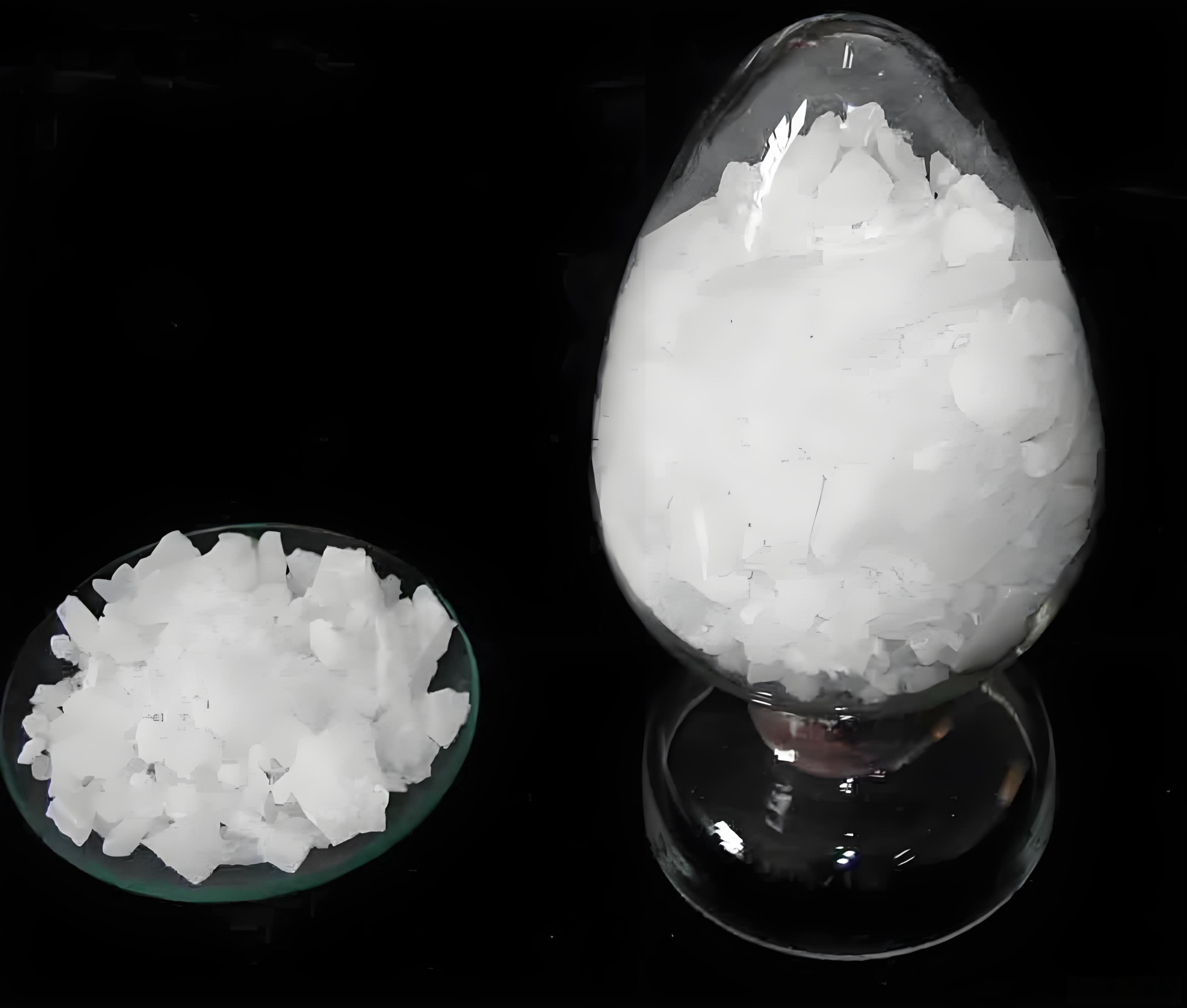
Aluminium sulphate
Why Are Sustainable Water Solutions Important?
Environmental concerns continue driving demand for:
- Efficient purification
- Lower chemical waste
- Sustainable treatment systems
Modern industries increasingly prioritize:
- Eco-friendly purification methods
- Water recycling systems
- Smart sanitation infrastructure
The future of disinfectant for water treatment technology increasingly focuses on sustainable purification performance.
How Are Municipal Water Systems Evolving?
Municipal systems now require:
- Higher sanitation standards
- Improved contamination control
- Automated infrastructure management
Many cities increasingly invest in:
- Advanced purification systems
- Smart monitoring technology
- Large-scale water infrastructure upgrades
Modern water systems depend heavily on:
- effective water sanitation methods
- Smart purification automation
- Reliable disinfection systems
Why Is Water Recycling Growing?
Water recycling helps:
- Reduce resource waste
- Improve sustainability
- Support industrial efficiency
Many industries now use:
- Advanced purification
- Wastewater treatment
- Reuse systems
to improve environmental performance.
Modern recycling systems require highly efficient disinfectant for water treatment technologies to maintain safe water quality.
What Makes a Good Water Treatment Chemical Supplier?
Reliable suppliers should provide:
- Consistent product quality
- Technical expertise
- Regulatory compliance
- Scalable purification solutions
Many industries search for:
- water treatment chemical supplier
- Industrial sanitation experts
- Reliable purification technology providers
to support long-term infrastructure operations.
Why Are Commercial Facilities Investing in Better Water Systems?
Commercial facilities require safe water for:
- Daily operations
- Sanitation compliance
- Public safety
- Infrastructure protection
Industries increasingly prioritize:
- Smart purification systems
- Automated sanitation monitoring
- Reliable treatment performance
Modern commercial infrastructure depends heavily on advanced water disinfection systems.
How Is Emergency Water Purification Changing?
Natural disasters and infrastructure emergencies continue increasing demand for:
- Portable purification systems
- Rapid sanitation technology
- Emergency treatment chemicals
Reliable disinfectant for water treatment systems help improve:
- Emergency preparedness
- Disaster response
- Temporary sanitation infrastructure
Emergency water purification technology continues evolving rapidly.
Why Is Water Testing Important?
Effective purification requires accurate testing.
Modern systems use:
- Digital sensors
- Automated monitoring
- Laboratory analysis
- Smart detection systems
Testing helps improve:
- Chemical efficiency
- Contamination detection
- Water quality consistency
Reliable water analysis is essential for successful sanitation management.
What Trends Are Shaping Water Purification in 2026?
Several major trends continue to reshape water treatment industries.
Smart Automation
AI systems improve purification control and efficiency.
Sustainable Chemistry
Industries increasingly prioritize safer purification compounds.
Real-Time Monitoring
Digital systems improve contamination detection.
Industrial Scalability
Larger purification systems support growing infrastructure demand.
Emergency Preparedness
Portable purification systems continue expanding globally.
Modern disinfectant for water treatment technology continues evolving rapidly across industrial and municipal sectors.
Why Are Industrial Purification Solutions Becoming More Advanced?
Industrial operations now require:
- Faster purification
- Better contamination control
- Lower operational costs
- Environmental compliance
Many facilities increasingly invest in:
- water purification solutions for industry
- Automated sanitation infrastructure
- Smart treatment technologies
These systems help improve both operational efficiency and environmental protection.
How Is Chemical Optimization Improving Water Treatment?
Modern systems now optimize:
- Chemical dosing
- Treatment timing
- Sanitization efficiency
Automation helps reduce:
- Chemical waste
- Energy consumption
- Operational costs
The future of disinfectant for water treatment increasingly depends on intelligent purification management.
Why Choose WingKeji?
WingKeji focuses on:
- Water purification technology
- Industrial sanitation systems
- Water testing solutions
- Smart treatment infrastructure
- Advanced purification chemicals
The company supports customers looking for:
- Industrial water treatment systems
- Water safety technologies
- Modern purification solutions
- Commercial sanitation support
Whether industries require large-scale purification systems, emergency water treatment solutions, or advanced sanitation technologies, WingKeji continues supporting modern water infrastructure development.
Helpful Tips Before Choosing Water Treatment Solutions
Prioritize Water Testing
Testing improves purification accuracy and contamination control.
Compare Treatment Technologies
Different systems work better for different applications.
Focus on Regulatory Compliance
Reliable systems support long-term operational safety.
Evaluate Scalability
Growing facilities require flexible purification infrastructure.
Choose Trusted Suppliers
Reliable suppliers improve treatment consistency and support .
Final Words
Modern water purification systems are becoming increasingly advanced as industries, municipalities, and commercial facilities prioritize safer water infrastructure, stronger contamination control, and sustainable sanitation technologies. Today’s disinfectant for water treatment systems combine smart monitoring, automated purification, industrial sanitation methods, and advanced chemical treatment technologies to support modern water safety requirements across the United States and worldwide.
As environmental concerns, industrial growth, and public health priorities continue to evolve, water purification infrastructure increasingly depends on scalable treatment systems capable of improving efficiency while reducing contamination risks and operational challenges. From industrial purification and wastewater management to emergency sanitation and municipal water systems, advanced disinfection technology remains one of the most important components of modern water infrastructure.
Whether organizations require industrial treatment systems, commercial purification technologies, or advanced sanitation solutions for large-scale operations, choosing reliable purification infrastructure can significantly improve water safety, operational efficiency, and long-term environmental sustainability. With modern purification technology and advanced water treatment expertise, WingKeji continues helping industries adapt to the future of smart water purification and sanitation management.
FAQs
Why is disinfectant for water treatment important?
It helps eliminate harmful microorganisms and improve water safety for residential, commercial, and industrial applications.
What industries use water disinfection systems?
Manufacturing, food processing, healthcare, agriculture, hospitality, and municipal infrastructure all depend on water purification systems.
Why are smart water systems growing?
Smart systems improve efficiency, automate treatment, and support real-time water quality monitoring.
What are common water treatment chemicals?
Common systems use sanitation chemicals, purification compounds, and oxidation-based treatment solutions.
Where can industries find modern water purification solutions?
Trusted providers like WingKeji offer advanced purification technologies and industrial sanitation systems.