



Cationic Polyacrylamide
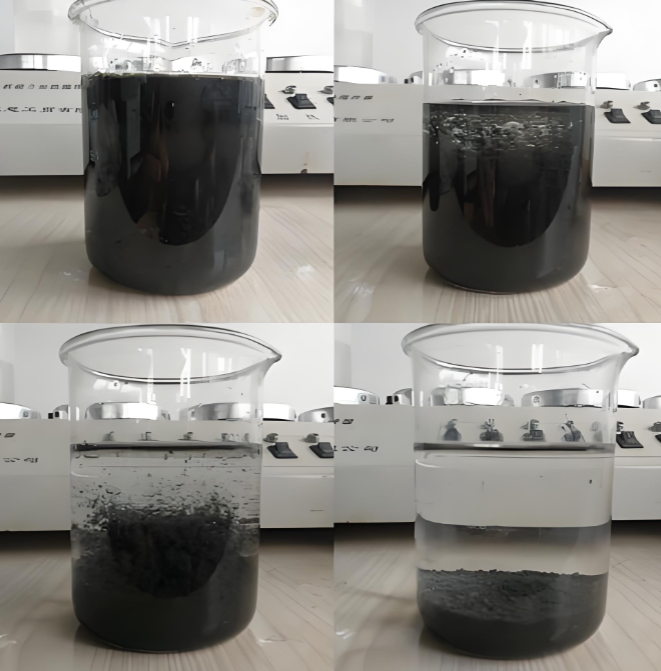
Cationic polyacrylamide (CPAM) is mainly used for sewage treatment (such as sludge dewatering, suspended solids flocculation) and industrial wastewater treatment. It adsorbs negatively charged particles through charge neutralization to form large flocs, accelerate sedimentation and filtration. It is widely used in municipal administration, papermaking, printing and dyeing and other industries.
Product Introduction
Cationic polyacrylamide (CPAM) is a linear polymer compound, which has a variety of active groups and can affinity and adsorption with many substances to form hydrogen bonds. It is mainly flocculation of negatively charged colloid, with the functions of turbidity, decolorization, adsorption, bonding, etc., suitable for dyeing, papermaking, food, construction, metallurgy, mineral processing, pulverized coal, oilfield, aquatic product processing and fermentation and other industries with high organic Colloidal content of wastewater treatment, good water solubility, can also be completely dissolved in cold water.
Scope of application
- Clarification and purification of various types of sewage.
- Used as a coagulant in combination with other flocculants to promote sedimentation.
- Applied to the decolorization of high-chroma wastewater from dye factories. Applicable dyes are active, acidic and disperse dyes.
- Can be used for the treatment of industrial wastewater such as textiles, printing and dyeing, and inks.
- Used as a clay anti-swelling agent, acidification thickening agent, and oil-bearing wastewater treatment agent in the petroleum industry to enhance oil extraction efficiency.
- Used as a sizing agent in the textile industry, it can stabilize the properties of the sizing solution, reduce broken ends, and make the fabric surface smooth and clean.
Quality standards
| Item | Indicators |
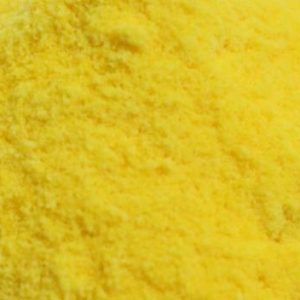
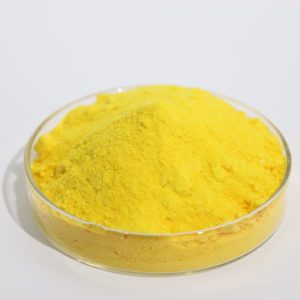
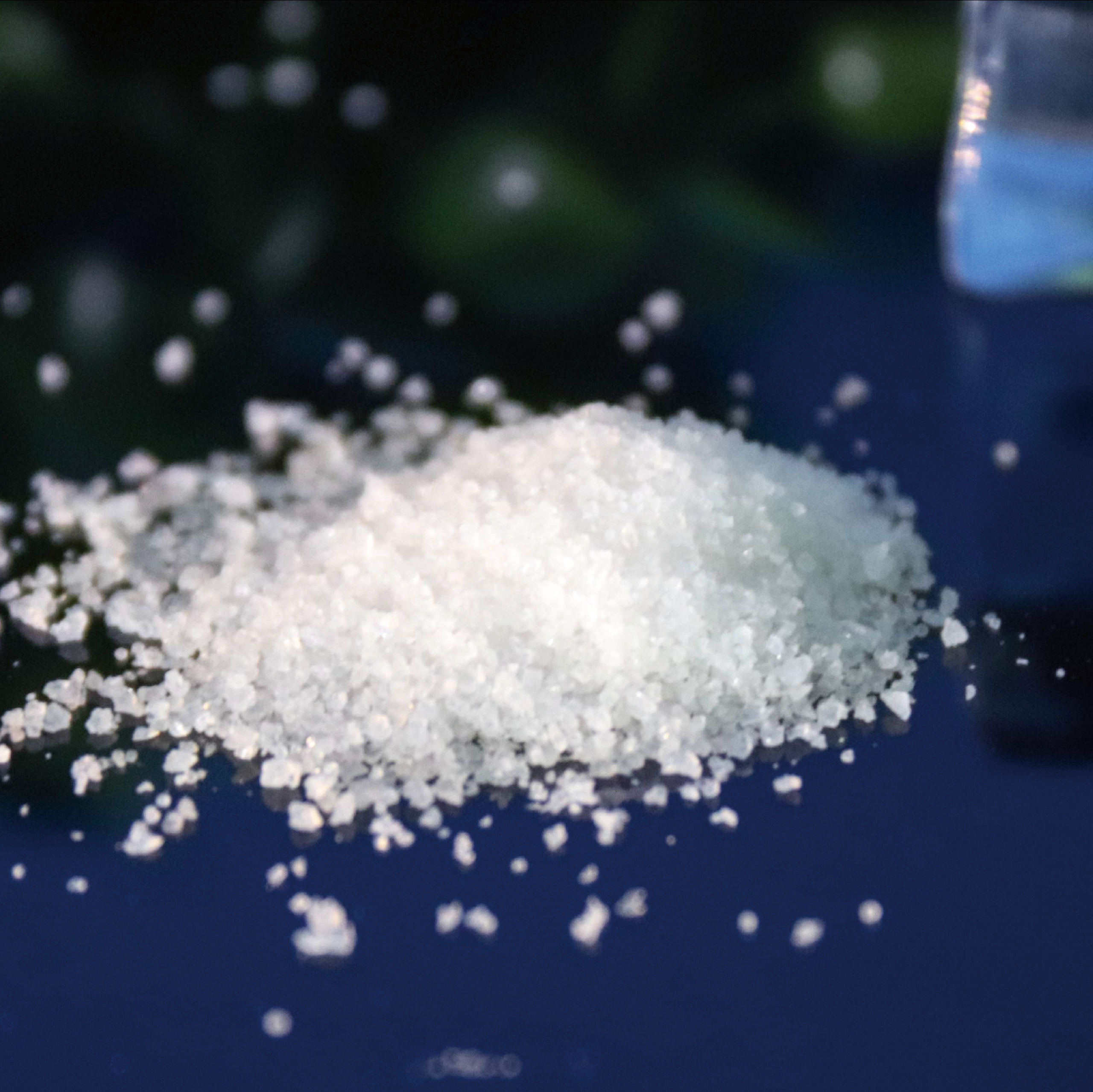
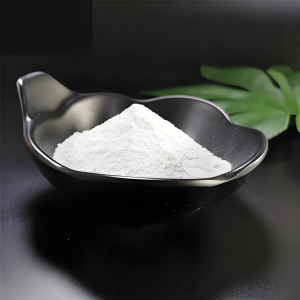
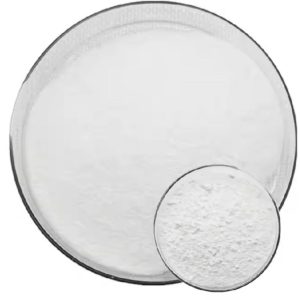
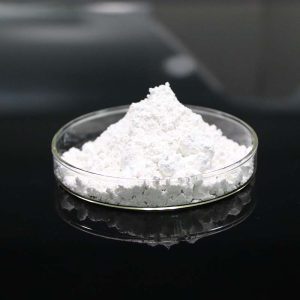
| Appearance | White or slightly yellow granules or powder |
| Molecular weight, deviation from standard value <10% | 8 million to 15 million |
| Ionic degree, % | 20% to 60% |
| Degree of hydrolysis, deviation from standard value <2% | 25% to 35% |
| Solid content, % | ≥90 |
| Acrylamide monomer content (dry basis %) | ≤0.1 |
| Dissolution time, min | ≤60 |
| pH value (1% aqueous solution) | 6.9 |
Usage
- Granular polyacrylamide flocculant cannot be added directly to the sewage. It must be dissolved in water before use, and its aqueous solution must be used to treat sewage, avoiding high-speed stirring.
- The water in which the granular polymers are dissolved should be clean (such as tap water), not sewage. Water at room temperature is sufficient, and generally does not need to be heated.
- When used as a flocculant, the dosage is generally 1-2 ppm, that is, the dosage is about 1-2g per 1 ton of wastewater treated.
- The choice of polymer solution concentration is recommended to be 0.1%-0.5%, that is, 1-5 g of polymer powder is added to 1L of water.
Packaging, storage and transportation
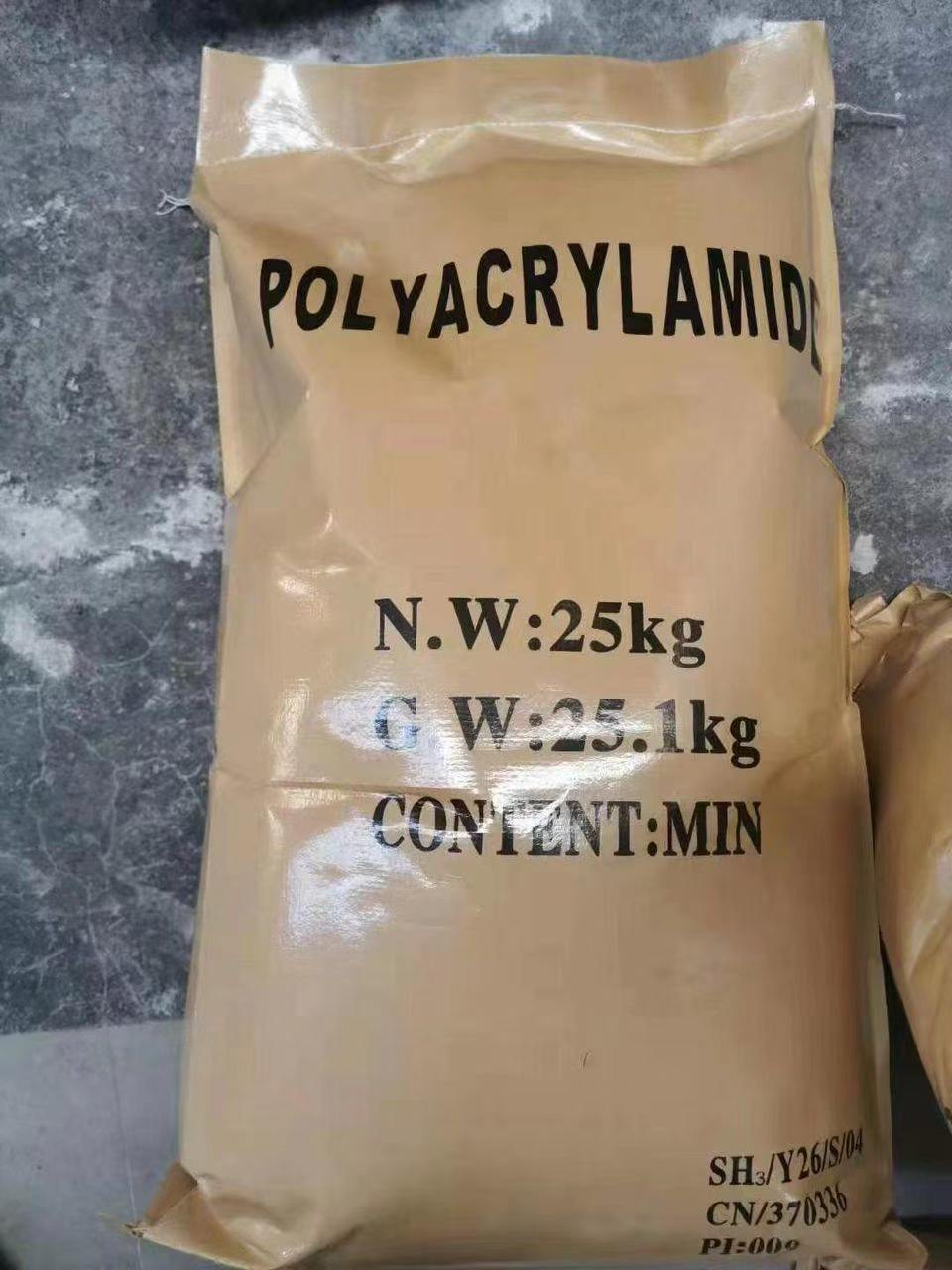
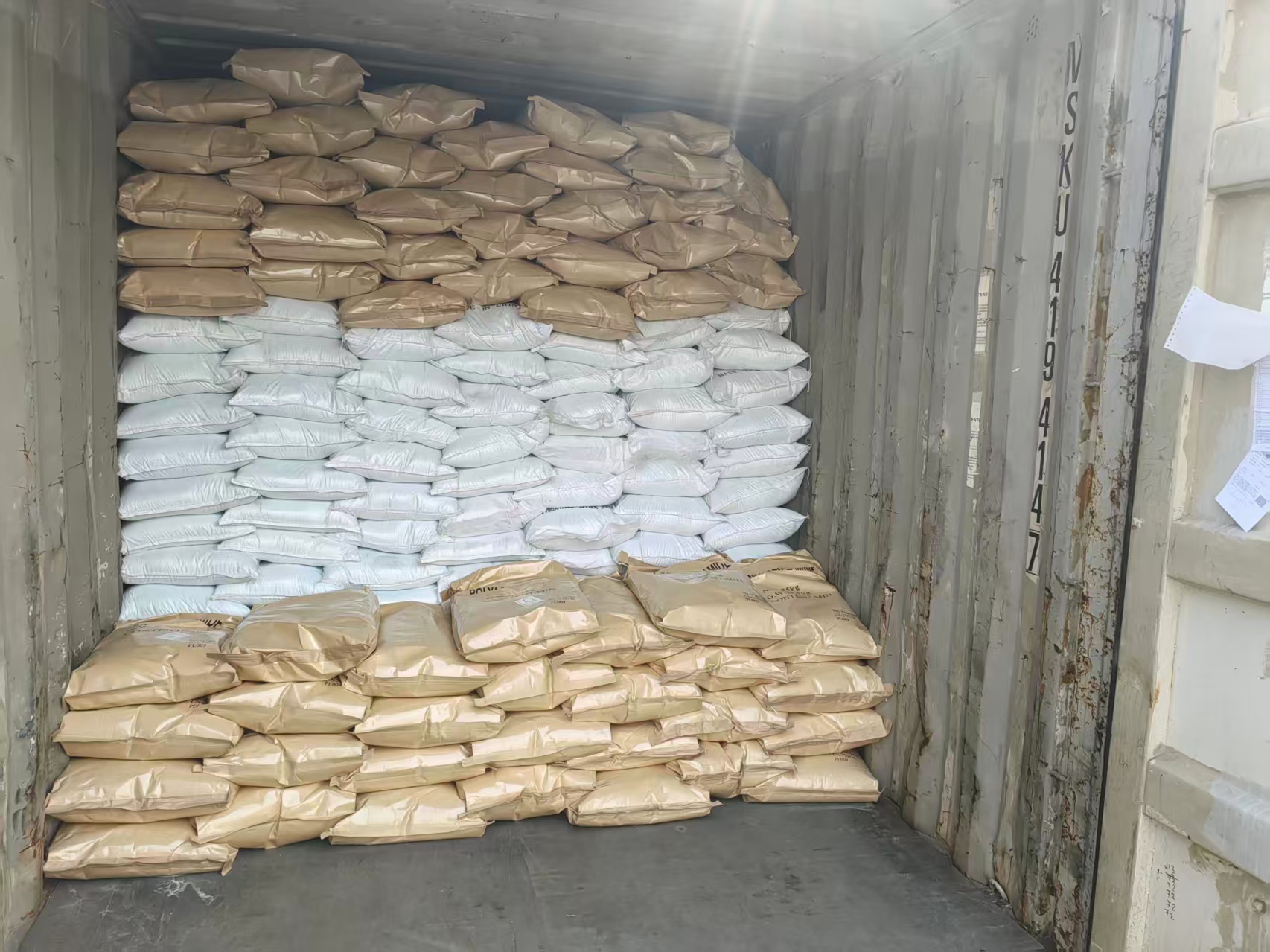
Moisture-proof paper-plastic composite bag + lining bag packaging 25Kg bag, ;
This product is slightly corrosive, should be stored in a cool, dry and ventilated place, and the storage stability period of this product is 2 years.
Use in combination
For anionic models, please click:Anionic Polyacrylamide
For more information, please click on(👉)Facebook
Contact me on ( click 👉)Whatsapp Business
相关产品
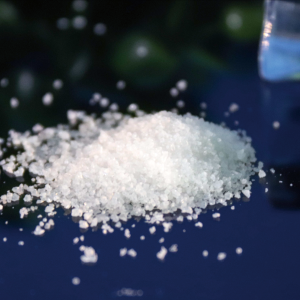
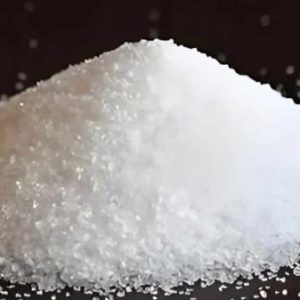
Anionic Polyacrylamide
-
Water Treatment : Clarifying drinking water and wastewater by removing suspended solids.
-
Agriculture : Reducing soil erosion and improving irrigation efficiency as a soil conditioner.
-
Oil & Gas : Enhancing oil recovery by thickening injection fluids.
-
Paper & Cosmetics : Serving as a binder or thickener in products.
Citric Acid

Compound alkali
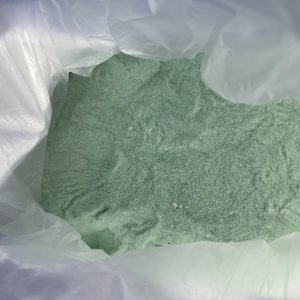
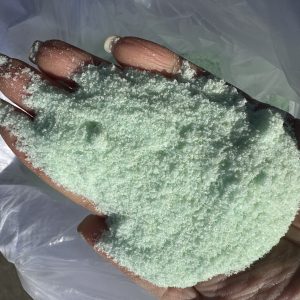
Ferrous Sulfate Heptahydrate 98%
Glucose
Hydrated lime