


What Chemicals Are Used in Water Softeners? Full Breakdown


Hard water affects millions of homes and industries across the United States, leading to scaling, inefficiency, and increased maintenance costs. Understanding water softener chemicals is essential not only for residential systems but also for large-scale water treatment operations.
This guide provides a complete breakdown of commonly used chemicals including both traditional and advanced treatment solutions to help you make informed decisions.
What Are Water Softener Chemicals?
Water purification chemicals are substances used to remove or neutralize hardness-causing minerals like calcium and magnesium. While residential systems rely heavily on water softener solution and ion exchange resin, industrial and municipal systems use a wider range of hard water treatment chemicals.
These chemicals support:
- Water hardness removal
- Limescale prevention
- Improved efficiency of water conditioning chemicals
Do Water Softeners Use Chemicals?
Yes, most systems depend on water softener salts to function effectively.
In residential systems, this includes:
- Sodium chloride water softener solutions
- Potassium chloride water softener alternatives
In industrial applications across the U.S., additional chemicals are used to enhance chemical water treatment, such as coagulation, flocculation, and pH balancing.
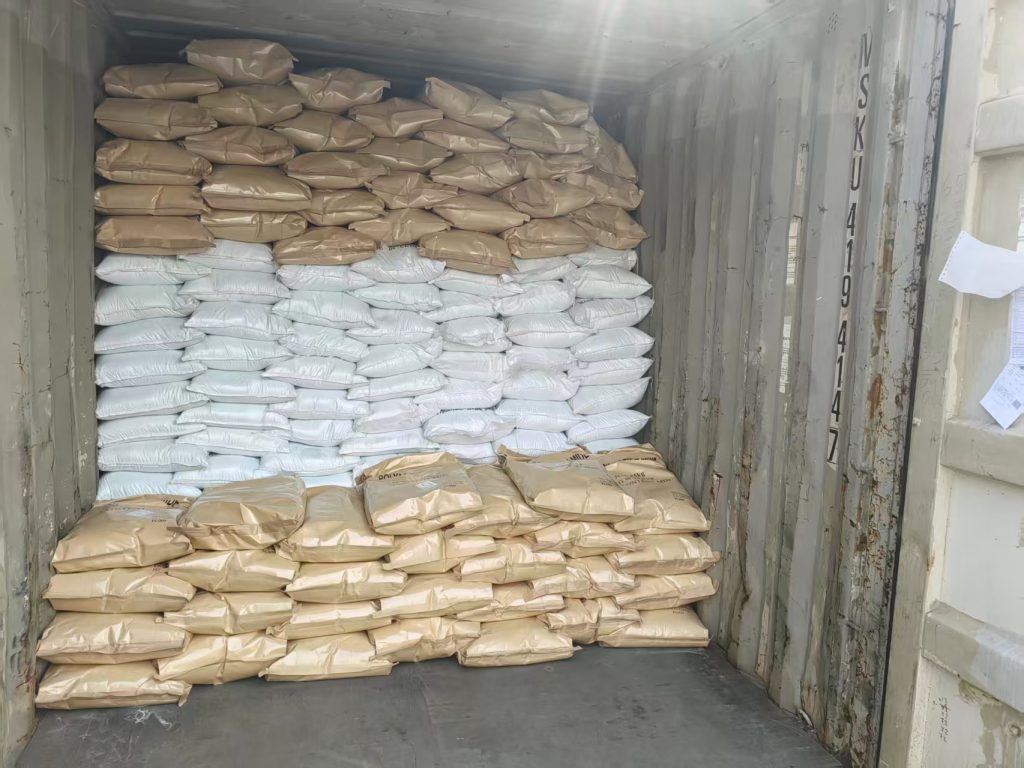
What Chemicals Are Used in Water Softeners and Treatment Systems?
1. Traditional Water Softening Chemicals
These are commonly found in household systems:
- Water softener salt (sodium chloride)
- Potassium chloride water softener alternative
- Ion exchange resin (resin beads water softener systems use)
They work through the water softening process, replacing calcium and magnesium ions.
2. Coagulation and Flocculation Chemicals
In large-scale U.S. water treatment facilities, chemicals like the following are used:
- Aluminum Sulfate – helps bind small particles for easy removal
- Polyaluminium Chloride (PAC) – improves clarity and reduces turbidity
- Cationic Polyacrylamide – enhances sludge dewatering
- Anionic Polyacrylamide – supports particle aggregation
These chemicals are essential for pre-treatment before mineral removal from water.
3. pH Control and Alkalinity Chemicals
Maintaining proper pH is critical for effective water conditioning chemicals performance:
- Hydrated Lime – raises pH and aids in softening
- Compound Alkali – stabilizes water chemistry
- Citric Acid – used for cleaning and descaling systems
These ensure optimal conditions for calcium and magnesium removal.
4. Additional Supporting Chemicals
Some lesser-known but important chemicals include:
- Ferrous Sulfate – removes impurities and improves coagulation
- Glucose – sometimes used as a carbon source in biological treatment processes
These play a supporting role in advanced water filtration vs water softening systems.
How Do Water Softener Chemicals Work?
The water softening process varies depending on the system.
In Residential Systems:
- Hard water passes through resin beads water softener units
- Minerals are exchanged with sodium or potassium ions
- A brine tank solution regenerates the resin
In Industrial Systems:
- Coagulants like Aluminum Sulfate bind impurities
- Flocculants like Polyacrylamide settle particles
- pH adjusters like Hydrated Lime optimize reactions
Together, these ensure efficient water hardness removal.
Are Water Softener Chemicals Safe?
Yes, when used correctly, water softener additives are safe and regulated in the United States.
Key points:
- Approved chemicals meet EPA and industry standards
- Safe for household and industrial use
- Proper dosing is essential
For eco-conscious users, salt-free water softener alternatives and eco-friendly water purifier chemicals are also available.
What Is Inside a Water Softener System?
A typical system includes:
- Resin tank with ion exchange resin
- Brine tank with water softener salt
- Control valve system
In commercial setups, additional tanks may handle:
- Coagulation (using Polyaluminium Chloride)
- Flocculation (using Polyacrylamide)
This combination enhances both water purification chemicals performance and hard water solution effectiveness.
Why Water Softener Chemicals Matter in the USA
Many U.S. regions such as Texas, Arizona, and Nevada face severe hard water issues. This increases demand for both residential and industrial water softener salts.
Companies like WINGKEJI are helping meet this demand by supplying high-quality solutions, including:
- Coagulants like Aluminum Sulfate
- Flocculants like Cationic Polyacrylamide
- Advanced water conditioning chemicals
Choosing the right chemicals ensures compliance, efficiency, and long-term savings.
Common Problems with Water Softener Chemicals
Improper use can lead to system issues:
- Incorrect dosage of chemicals
- Poor-quality water softener salt
- Lack of maintenance
These problems may result in:
- Reduced water hardness removal
- System inefficiency
- Scaling issues
Regular monitoring and proper maintenance chemicals for water softeners help avoid these issues.
Are There Alternatives to Water Softener Chemicals?
Yes, but with limitations.
Options include:
- Salt-free water softener alternatives
- Magnetic conditioners
While these help with limescale prevention, they may not fully replace traditional water softening methods.
Final Thoughts
Understanding water softener additives is crucial for both homeowners and industries dealing with hard water. From traditional salts to advanced solutions like Polyaluminium Chloride and Cationic Polyacrylamide, each chemical plays a specific role in improving water quality.
For U.S.-based users, investing in high-quality solutions such as those offered by WINGKEJI ensures efficient water conditioning chemicals performance and long-term reliability.
FAQs
- What chemicals are used in water softeners?
Common water softener slats include sodium chloride, potassium chloride, and ion exchange resin, along with industrial chemicals like Aluminum Sulfate and Polyacrylamide.
- Are water softener chemicals safe?
Yes, when properly used, they meet safety standards and are safe for household and industrial applications.
- How do water softener chemicals work?
They remove hardness minerals through ion exchange or coagulation and flocculation processes.
- What is the role of Aluminum Sulfate in water treatment?
It acts as a coagulant, helping remove suspended particles before softening.
- Are there chemical-free water softeners?
Yes, but salt-free water softener alternatives mainly prevent scaling rather than removing hardness.