


What Chemicals Are Used in Water Treatment? A Complete Guide

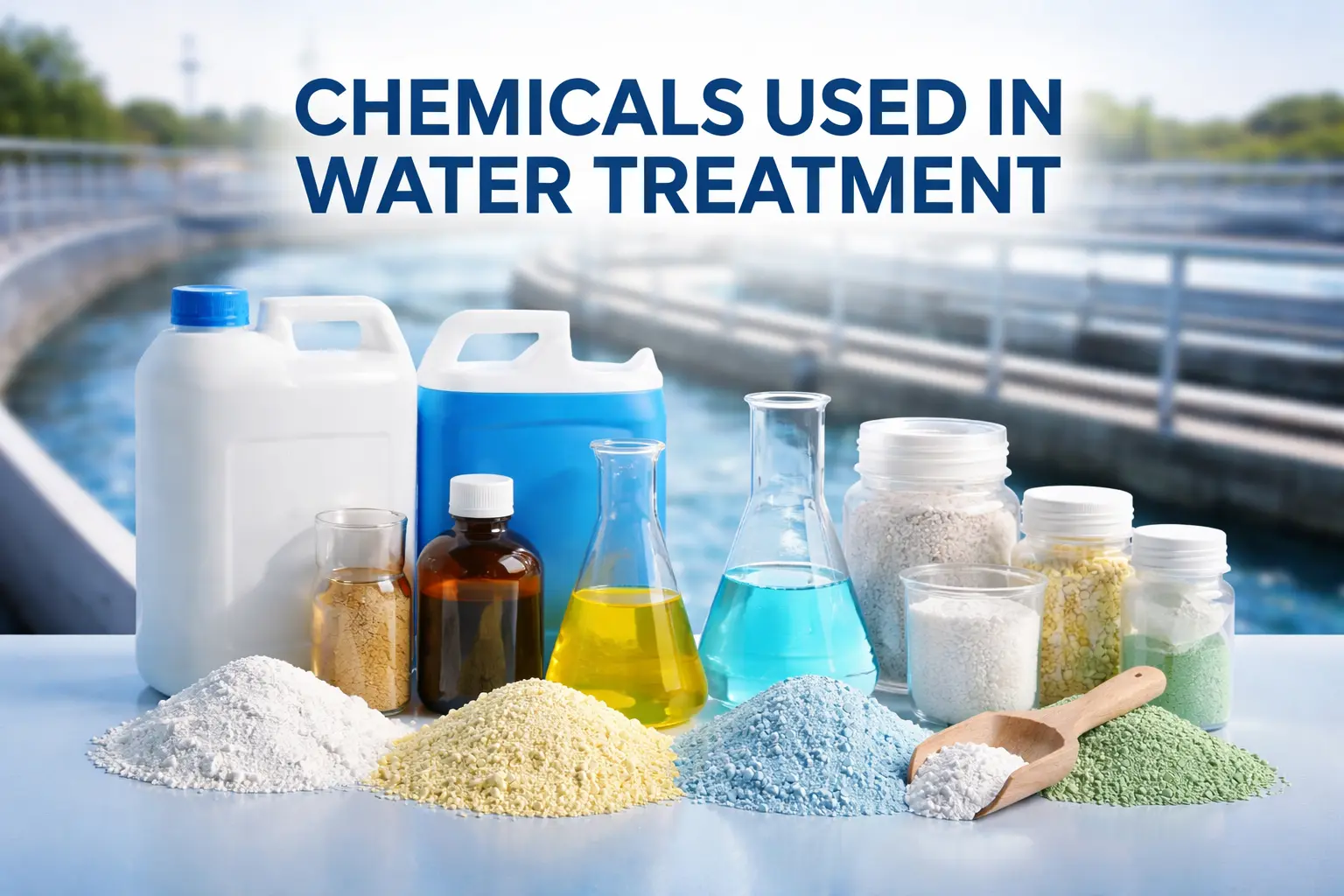
Water is one of the most critical resources for public health, industrial operations, and environmental sustainability. In the United States, strict regulations ensure that water meets safety standards, but behind this process lies advanced water treatment chemistry and the strategic use of water treatment chemicals.
In this guide, we’ll explore the essential chemicals used in water treatment, their roles, and how leading water treatment chemical companies like WINGKEJI contribute to safe and efficient water purification.
What Are Water Treatment Chemicals?
Water treatment chemicals are specialized substances used to remove contaminants, kill microorganisms, and improve the quality of water for drinking, industrial, and wastewater applications.
These chemicals are widely used by water treatment chemicals manufacturers and municipal plants across the U.S. to meet EPA standards for safe drinking water.
Why Are Chemicals Essential in Water Treatment?
Water sources often contain impurities such as suspended solids, bacteria, heavy metals, and organic matter. Water treatment chemicals help address these issues by:
- Removing turbidity and suspended particles
- Disinfecting harmful microorganisms
- Balancing pH levels
- Preventing corrosion and scaling
- Enhancing filtration efficiency
Without proper water filtration chemicals, it would be nearly impossible to ensure safe drinking water at scale.
Which Chemicals Are Used in Water Treatment?
1. What Is Aluminum Sulfate Used For?
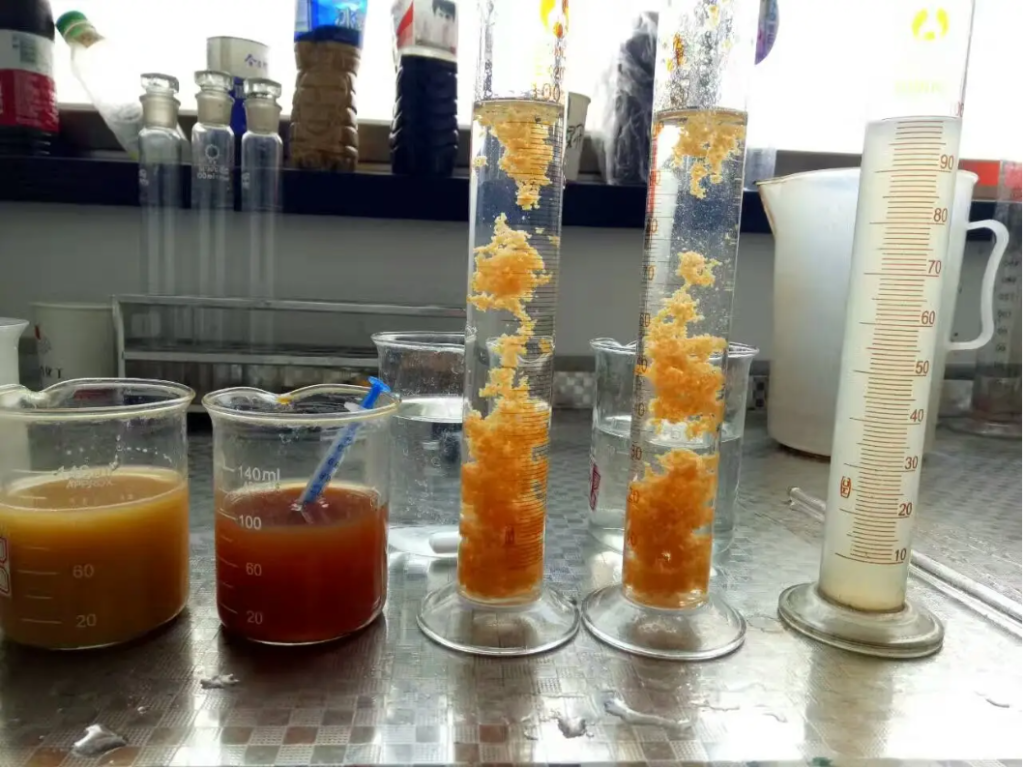
Aluminum Sulfate is one of the most widely used water clarification chemicals. It acts as a coagulant, binding small particles into larger flocs that can be easily removed through filtration.
In U.S. municipal plants, it is commonly used for treating surface water sources like rivers and lakes.
2. How Does Polyaluminum Chloride Improve Water Quality?
Polyaluminum Chloride (PAC) is a highly efficient alternative to traditional coagulants. It works faster and produces less sludge, making it ideal for modern water chemical companies focused on sustainability.
PAC is frequently used in drinking water treatment chemicals applications due to its high performance.
3. What Role Do Polyacrylamides Play in Water Treatment?
Polyacrylamides are powerful flocculants used to enhance particle aggregation.
- Anionic Polyacrylamide is effective for treating inorganic suspended solids.
- Cationic Polyacrylamide is commonly used in wastewater treatment to remove organic matter.
These water treatment additives improve sedimentation and filtration efficiency, making them essential for industrial and municipal systems.
4. Why Is Hydrated Lime Used in Water Treatment?
Hydrated lime is a key chemical used to adjust pH levels and remove hardness from water. It also helps in the precipitation of heavy metals.
In the U.S., lime treatment is widely used in both drinking water facilities and wastewater plants.
5. What Is the Function of Ferrous Sulfate Heptahydrate?
Ferrous Sulfate Heptahydrate is commonly used for:
- Phosphorus removal
- Odor control
- Reduction of harmful contaminants
It is an important component in water treatment chemistry, especially in wastewater management systems.
6. How Is Citric Acid Used in Water Treatment?
Citric Acid is mainly used for cleaning and descaling equipment in water treatment systems. It helps remove mineral deposits and improves system efficiency.
It is often used by water treatment chemical suppliers in maintenance solutions.
7. What Is the Purpose of Compound Alkali?
Compound alkali is used to regulate alkalinity and stabilize pH levels in water treatment processes. Maintaining the right pH is crucial for the effectiveness of other water treatment chemicals.
8. How Does Glucose Function in Water Treatment?
Glucose may seem unusual, but it is used as a carbon source in biological wastewater treatment. It supports microbial growth, helping break down organic pollutants.
How Do Water Treatment Chemicals Work Together?
In real-world applications, water treatment chemicals are not used individually but as part of a coordinated treatment process:
- Coagulation & Flocculation – Aluminum Sulfate, PAC, Polyacrylamides
- pH Adjustment – Hydrated lime, Compound alkali
- Contaminant Removal – Ferrous sulfate
- System Maintenance – Citric acid
- Biological Treatment – Glucose
This integrated approach ensures maximum efficiency and compliance with U.S. water quality standards.
Who Supplies These Chemicals in the USA?
The demand for reliable water treatment chemical supplier networks is growing rapidly across the United States due to stricter environmental regulations.
Leading water treatment chemical companies like WINGKEJI provide high-quality, consistent, and cost-effective solutions for municipal and industrial clients. As trusted water treatment chemicals manufacturers, they focus on innovation, quality control, and environmental responsibility.
What Makes High-Quality Water Treatment Chemicals Important?
Choosing the right supplier is critical. Poor-quality chemicals can lead to:
- Inefficient treatment processes
- Increased operational costs
- Regulatory compliance issues
Reputable water chemical companies ensure:
- Consistent product quality
- Compliance with safety standards
- Technical support and expertise
How Are Water Treatment Chemicals Used in Different Industries?
Municipal Water Treatment
Used for safe drinking water production with strict EPA guidelines.
Industrial Water Treatment
Applied in power plants, manufacturing, and cooling systems.
Wastewater Treatment
Helps remove pollutants before water is discharged into the environment.
Drinking Water Systems
Ensures safe, clean, and odor-free water for public consumption.
Why Choose WINGKEJI for Water Treatment Chemicals?
WINGKEJI stands out among global water treatment chemicals manufacturers by offering:
- A wide range of high-performance products
- Consistent quality and supply reliability
- Expertise in advanced water treatment chemistry
- Solutions tailored for U.S. and international markets
Whether you need water clarification chemicals or water filtration chemicals, WINGKEJI provides dependable solutions.
Conclusion
In conclusion, water treatment chemicals play a crucial role in ensuring safe and clean water for municipal and industrial use across the United States. From coagulants and flocculants to pH regulators, each of these water treatment chemicals contributes to effective purification and compliance with EPA standards. Choosing high-quality water treatment chemicals is essential for achieving reliable and efficient results.
Partnering with trusted water treatment chemical companies and suppliers further enhances performance and consistency. WINGKEJI, as a leading name among water treatment chemicals manufacturers, provides dependable solutions backed by expertise in water treatment chemistry. Ultimately, the right chemicals and supplier ensure long-term water safety and sustainability.
FAQs
- What are the most commonly used water treatment chemicals?
The most common water treatment chemicals include Aluminum Sulfate, Polyaluminum Chloride, Polyacrylamides, Hydrated lime, and Ferrous Sulfate.
- Are water treatment chemicals safe for drinking water?
Yes, when used correctly and in regulated amounts, drinking water treatment chemicals are safe and approved by authorities like the EPA.
- How do water treatment chemicals improve water quality?
They remove impurities, kill harmful microorganisms, adjust pH, and enhance filtration, ensuring safe and clean water.
- What is the role of flocculants in water treatment?
Flocculants like polyacrylamides help bind small particles into larger ones, making them easier to remove during filtration.
- How do I choose the right water treatment chemical supplier?
Look for experienced water treatment chemical companies with proven quality, certifications, and strong technical support, such as WINGKEJI.